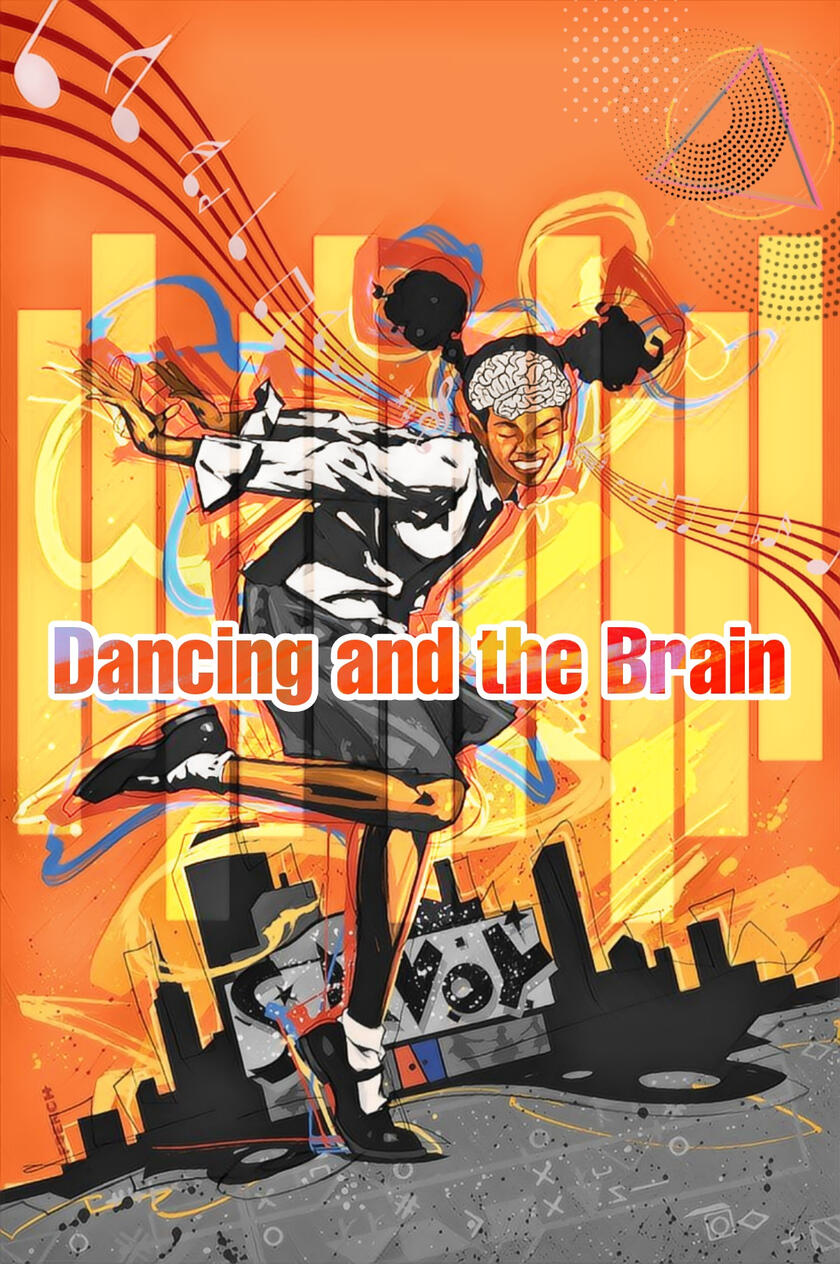
Dancing and the Brain
Shirl Angelee R. Ocampo
Dance is a ritual, therapy, and leisure activity – a pleasurable and captivating activity that involves motor, cognitive, visuospatial, social, and emotional engagement!
Dance as a Healthy Ritual for the Brain
I live to dance! I dance to live!
Dancing improves brain function and boosts cognitive domains or the spatial memory. According to a 2003 study in the New England Journal of Medicine by researchers at the Albert Einstein College of Medicine, dancing involves both a mental effort and social interaction which this kind of stimulation can reduce the risk of dementia.
Definition of Dementia (Medical News Today, 2017)
Dementia is a collective term used to describe various symptoms of cognitive decline, involving symptoms of impairment in memory, communication, and thinking.
Dance as Leisure Activity for the Brain
Feeling the blues? Try dancing!
According to Gouw (2020),
Dancing makes us happy in many ways inducing positive emotions, like happiness, pleasure, and even love. Letting your body flow can also be a therapeutic experience. It can help you release pent up aggression, stress, and even body image issues. What makes dancing even more cathartic is the musical accompaniment, which the American Music Therapy Association states can very well relieve stress on its own. In fact, research shows that surgical patients who listened to music reported lower levels of perceived pain than people who did not. Music can be an effective tool for distraction, something that patients undergoing a medical procedure can use.
Have you asked yourself, “why do we like to dance and move to the beat?”
According to a 2008 article in Scientific American magazine, a Columbia University neuroscientist propound the idea that by synchronizing music and movement – dance essentially constitutes a “pleasure double play.” Music is known to stimulate pleasure and the brain’s reward centers, group of structures that are activated by rewarding or reinforcing stimuli, while dance activates its sensory and motor circuits.
Dance as Cognitive and Mental Therapy
Believe it or not, dance has the power to heal mentally and physically!
Several studies have proven that dance can help reduce stress, increase levels of the feel-good hormone serotonin, and help develop new neural connections, especially in regions involved in executive function, long-term memory, and spatial recognition. In fact, dance is being studied as a therapeutic intervention for various clinical groups, ranging from developmental disorders such as Down syndrome (Lifshitz-Vahav et al., 2016), neurological disorders such as schizophrenia (Martin et al., 2016), mood disorder (depression; Meekums et al., 2015), neuromotor disorders such as Parkinson’s disease (McNeely et al., 2015), to dementia prevention and management (Ballesteros et al., 2015; Adam et al., 2016).
To give significance, therapeutic dancing has been advocated as an effective adjunct to conventional physical therapies for people living with Parkinson's disease (Aguiar et al., 2016). Being a form of rhythmic auditory stimulation (RAS), dance, a series of fixed rhythms, is presented to patients with Parkinson’s, and were asked to move to the rhythms. Studies of the effects this technique has on patients with Parkinson’s or other movement disorders have found significant improvements in gait and upper extremity function among participants.
Definition of Parkinson’s disease (Harvard Mahoney Neuroscience Institute, 2015)
Parkinson’s disease belongs to a group of conditions called motor-system disorders, which develop when the dopamine-producing cells in the brain are lost. The chemical dopamine is an essential component of the brain’s system for controlling movement and coordination. As Parkinson’s disease progresses, an increasing number of these cells die off, drastically reducing the amount of dopamine available to the brain.
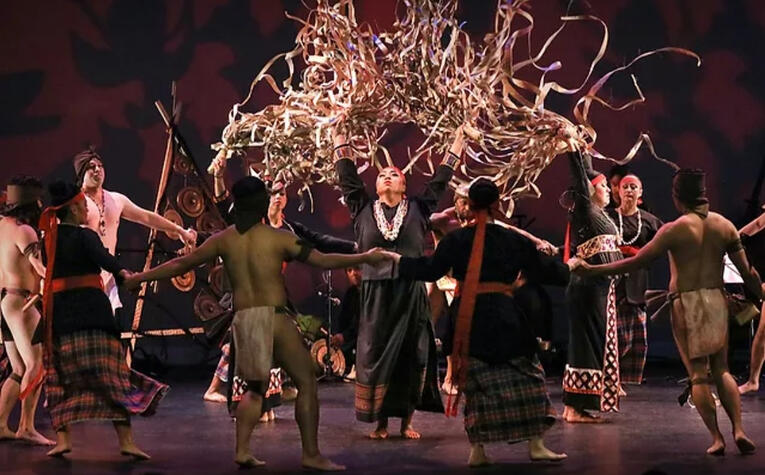
“LIKHA,” because it means “creation” in Tagalog; but as creators, their mission transcends mere creation and reaches intentional preservation. Thus, the passion for their mission is realized and preserved through research, education, performance, collection, curation, community outreach, and youth development.
From LIKHA’s first performance in the San Francisco State University's McKenna Theatre, they have shared the beauty of Philippine folk dance and music through many more full-length dance productions: Indarapatra (1993), Bayan Ko (1998), Parangal (2006), Saludo (2012), Saling Lahi (2014), Karangalan (2017), and many more.
LIKHA PH: From Stories to Dances
Meya Carlos
For stories to turn from words to dancing, you’ll need to find a creative creator. Since 1992, a group of creators — headed by Artistic Director Rudi Soriano — have been collecting and preserving indigenous Philippine art forms by expressing them in music, literature, dance, arts, crafts, and attire.
This group was overlapped by creative geniuses stemming from San Francisco to the Philippines, from teachers to students. In their passion to celebrate Philippine culture and tradition, they turned their group to a performing dance company and named it “LIKHA-Pilipino Folk Ensemble.”
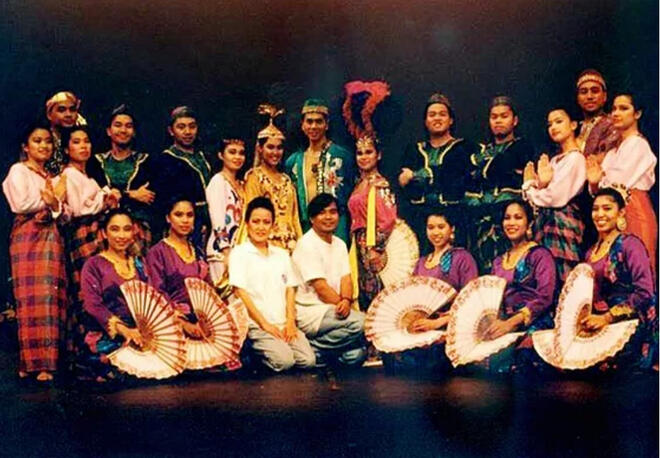

Indeed, as Rudi Soriano was awarded with, LIKHA — and the process of creating — is more than outstanding choreography, but ultimately the beautiful and meticulous transformation of stories, hearts, and souls.

Energy Substrates
Carbohydrates are our main and most important sources of energy. Pearson (2017) stated that carbohydrates are the first source of energy your body uses. Carbs can be found in a variety of foods such as grains, fruits, and vegetables in the form of fibers, starch or sugars. When entering the body, these carbs are broken down in to glucose which circulated around your body waiting to be converted into Adenosine Triphosphate or ATP. Glucose can be also be stored in the muscle and liver in the form of glycogen if the body has excess amounts. (Pearson, 2017)
Proteins are crucial to the functions of our body. Proteins are broken down in the body to form amino acids. They play an essential role in the growth and maintenance of your body parts. Proteins can also act as hormones or the building blocks of our cells. (Van de Walle, 2018). Although proteins are as energy dense as carbs, they are the last thing your bodies want to break down. Proteins not only serve other vital bodily functions; they are also not as suitable energy sources and are harder to break down compared to carbs and fats. According to Van de Walle (2018), the body only uses them as a last resort usually after 1-2 days of no food.
Fats are the most efficient source of energy in the body. Although fats now a days get a bad name, they are an essential nutrient of our body, especially essential fatty acids. Fats are usually found in food like avocados, dairy, nuts and fatty meats. Fats take the longest time to be digested out of the 3, however it pays of as being the most efficient, almost twice as energy dense as carbs and proteins. When digested, they can either be used up or more commonly stored through out the body. Fats help the body in repair and growth but they are more of a back-up type of energy source. (Todd, 2019).
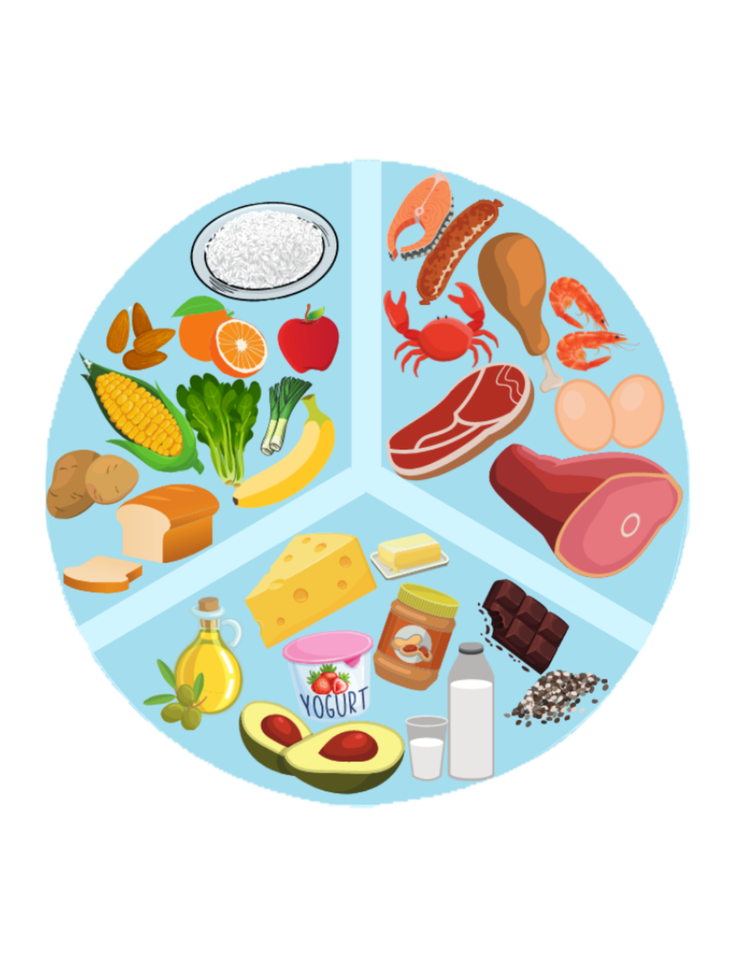
THE 3 ENERGY SUBSTRATES
Patrick Miles Cheong
Energy for the body
Everyone needs energy. Energy is what our body uses in order to all types of movements and actions. From task such as running, stretching, breathing, and all the little things happening in your body. (Tomm, 2018). We get our energy from the food we eat which includes plants and animals. According to Alexander (2020), the energy we use comes from 3 different types of substrates, they are carbohydrates, proteins, and fats.

The 3 Energy systems
These 3 substrates are then broken down to be used by the body and converted to energy. In the cells, energy is converted into a type of energy storage called Adenosine Triphosphate or ATP which is required for all types of movement. Our body has 3 systems that deal with the production of these ATP. “Energy systems are the chemical pathways that cope with energy production and the products of physical work.” (Thieme, 2020). The 3 systems include the Phosphagen, Glycolysis, and the oxidative system.
The Phosphagen system, or the ATP-PCR system, relies the current supply stored ATP in the body. However, the storage of ATP is limited which means that the body can only rely on this short supply for around 5 – 15 seconds of activity. (Thieme, 2020). During the first 5-6 seconds ATP stored in the muscles are used first. Creatine phosphate then help to resynthesis energy into ATP. As this only last a shot duration of time. The next energy system to take over is the glycolytic system.
Since the energy storage of the muscles are depleted, the glycolytic system makes of glucose and glycogen. According to Thieme (2020), both these substrates are converted to form ATP through a process called glycolysis, they are also the only substrates that can go through this process. This energy system could last you for about 1-2 minutes of continuous activity. By-products of this system include lactate and hydrogen ions. Many people have heard about the how lactic acid causes body soreness and fatigue. However, hydrogen ions are the one that is the most responsible for those ailments. The rest of the hydrogen and lactate combine to form pyruvate which is reshuffled back into the system. (Thieme, 2020).
During less intense and slower activity, the oxidative system takes over. This system does not produce nearly as much ATP as the other 2. However, this system makes use of oxygen and can be powered by carbohydrates, fats and protein if necessary. (Thieme, 2020). This system can last over a very long period of time which is suitable for activities such as jogging or biking. It makes use of the Krebs cycle and the electron transport chain in order to provide energy for the production of more ATP.